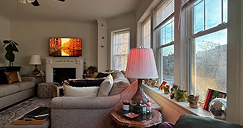
For many families and individuals, manufactured homes offer an accessible and practical path to homeownership. Whether you’re a first-time buyer, downsizing, or looking for a more affordable housing option, manufactured homes provide quality living at a fraction of the cost of traditional site-built homes.
However, before you make this important decision, it’s essential to understand the unique aspects of manufactured home ownership. This guide will walk you through the key considerations to help you make an informed choice.
Understand the difference between manufactured and site-built homes
Manufactured homes are built in a controlled factory environment and transported to their final location. Unlike traditional site-built homes, they’re constructed to meet the HUD Code (federal building standards) rather than local building codes.
Key differences include:
- Construction process: Built indoors in sections, then assembled on-site
- Foundation: Often placed on a steel chassis with piers or a permanent foundation
- Building standards: Must meet HUD Code specifications
- Pricing: Generally 10-35% less expensive per square foot than site-built homes
- Timeline: Faster construction and move-in process
Understanding these differences helps set realistic expectations about what manufactured homeownership entails.
Set your budget before you start shopping
One of the biggest advantages of manufactured homes is their affordability. However, the initial purchase price is just one part of your total housing cost.
When setting your budget, consider:
- Purchase price: The cost of the home itself, which can range from $30,000 to $200,000+ depending on size and features
- Lot rent: Monthly fees for leasing a homesite in a community (typically $400-$1,200/month)
- Utilities: Electric, gas, water, sewer, and trash services
- Insurance: Manufactured home insurance is generally affordable but required
- Maintenance: Set aside funds for routine upkeep and repairs
- Community fees: Some communities charge additional amenity or HOA fees
Getting pre-approved for financing helps you understand exactly what you can afford and shows sellers you’re a serious buyer.
Explore the community, not just the home
When you buy a manufactured home in a community, you’re not just buying a house—you’re joining a neighborhood. The community itself plays a huge role in your daily quality of life.
Take time to evaluate:
- Community management and responsiveness
- Overall condition and maintenance of common areas
- Amenities like pools, clubhouses, playgrounds, or fitness centers
- Community rules and regulations
- Neighboring homes and residents
- Proximity to work, schools, shopping, and healthcare
- Safety and security measures
Visit the community multiple times, at different times of day if possible. Talk to current residents about their experiences. A well-managed community with friendly neighbors can make all the difference.
Ask about financing, fees, and ongoing costs
Manufactured home financing works differently than traditional mortgages, so it’s important to understand your options.
Common financing methods include:
- Chattel loans: Personal property loans for homes not on permanent foundations (typically higher interest rates, shorter terms)
- FHA loans: Government-backed loans available if the home meets certain criteria and is on a permanent foundation
- VA loans: Available to qualifying veterans and service members
- Conventional mortgages: Possible if the home is classified as real property
- Cash purchase: If you have the funds available
Make sure you understand the full financial picture, including interest rates, loan terms, down payment requirements, and any fees associated with the purchase and ongoing ownership.
Tour the home in person if possible
While photos can give you a good initial impression, nothing replaces an in-person tour. During your visit, pay attention to:
- Overall condition and age of the home
- Quality of construction and finishes
- Flooring, walls, and ceiling condition
- Plumbing and electrical systems
- Heating and cooling systems
- Windows and doors (check for drafts and proper sealing)
- Storage space and layout flow
- Any signs of water damage, mold, or structural issues
Don’t hesitate to ask questions about the home’s history, previous repairs, and any warranties that transfer to you as the new owner.
Make sure the home fits your lifestyle
Beyond the financial considerations, think about how the home will support your daily life and long-term needs.
Consider:
- Size and layout: Does it accommodate your family now and in the future?
- Accessibility: Are there steps or features that could be challenging as you age?
- Pet-friendliness: Does the community allow pets, and is there outdoor space?
- Storage: Is there adequate space for your belongings?
- Parking: Are there designated spots for your vehicles?
- Outdoor space: Is there a yard, patio, or deck?
Remember, this is more than a financial transaction—it’s where you’ll build your life and create memories.
Conclusion: A well-informed move toward homeownership
Buying a manufactured home can be one of the smartest financial decisions you make. With lower costs, shorter timelines, and quality construction, manufactured homes offer a genuine path to homeownership for individuals and families who might otherwise be priced out of the housing market.
By doing your homework, asking the right questions, and working with reputable communities and lenders, you can find a home that fits your needs and budget. Take your time, visit multiple communities, and don’t rush the decision.
When you find the right home in the right community, you’ll know it. And you’ll be ready to take that exciting step toward owning your own home.